
Revolutionizing the Product Module: Driving $200M Revenue Growth Through Simplified Design and Maximized Engagement
$150M-$200M Annual Revenue
The redesigned product module is projected to drive a +2-3% CTR boost and a 3.5%-5% increase in product impressions, with an estimated $150M-$200M annual revenue boost.
Maximized Product Impressions
Streamlining the product module built on existing 40B impressions and 1.3B clicks, enhancing visibility and engagement, contributing to a ~9% sales increase from digital platforms in Q4.
Simplified Design & Engagement
Streamlining 27 variants to 2-3 designs created a more consistent, intuitive experience, increasing user engagement.
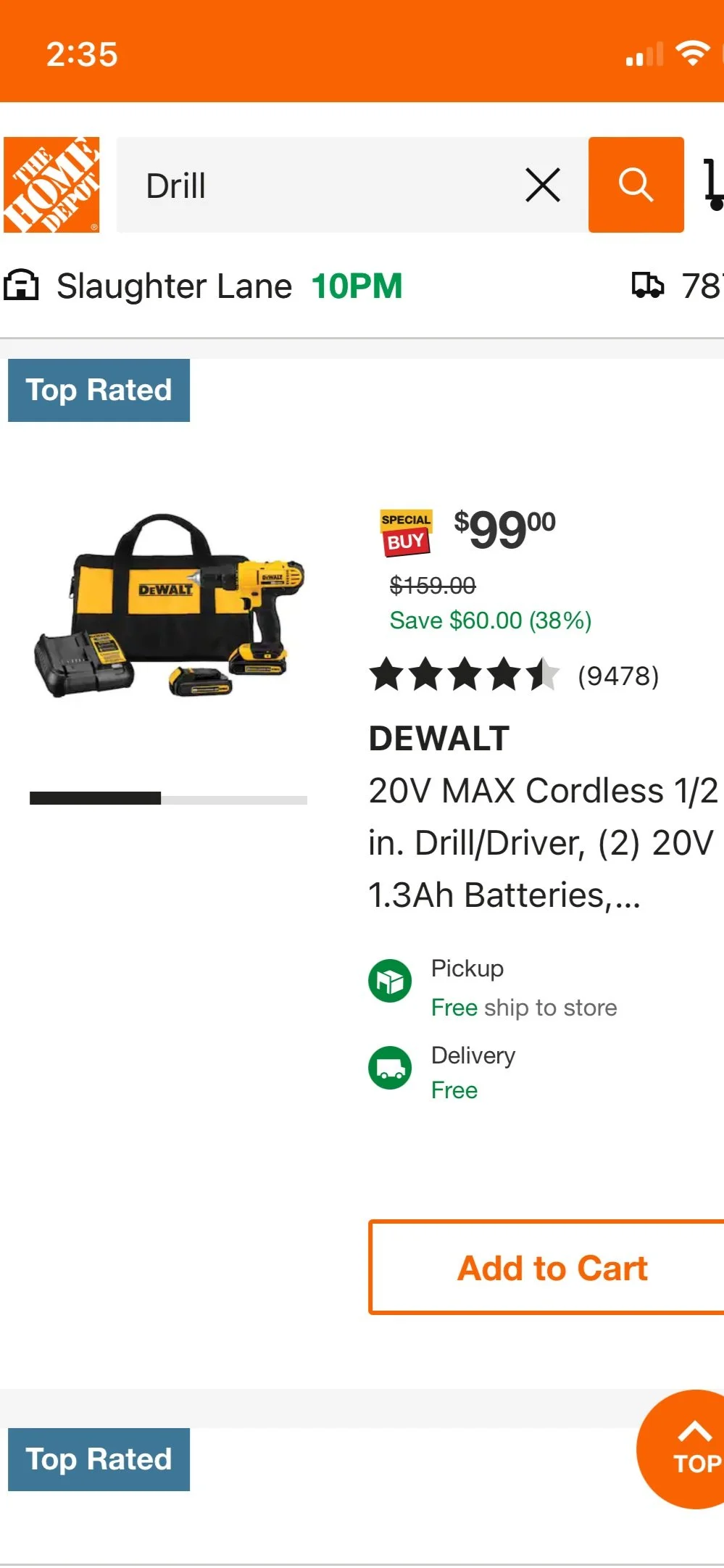
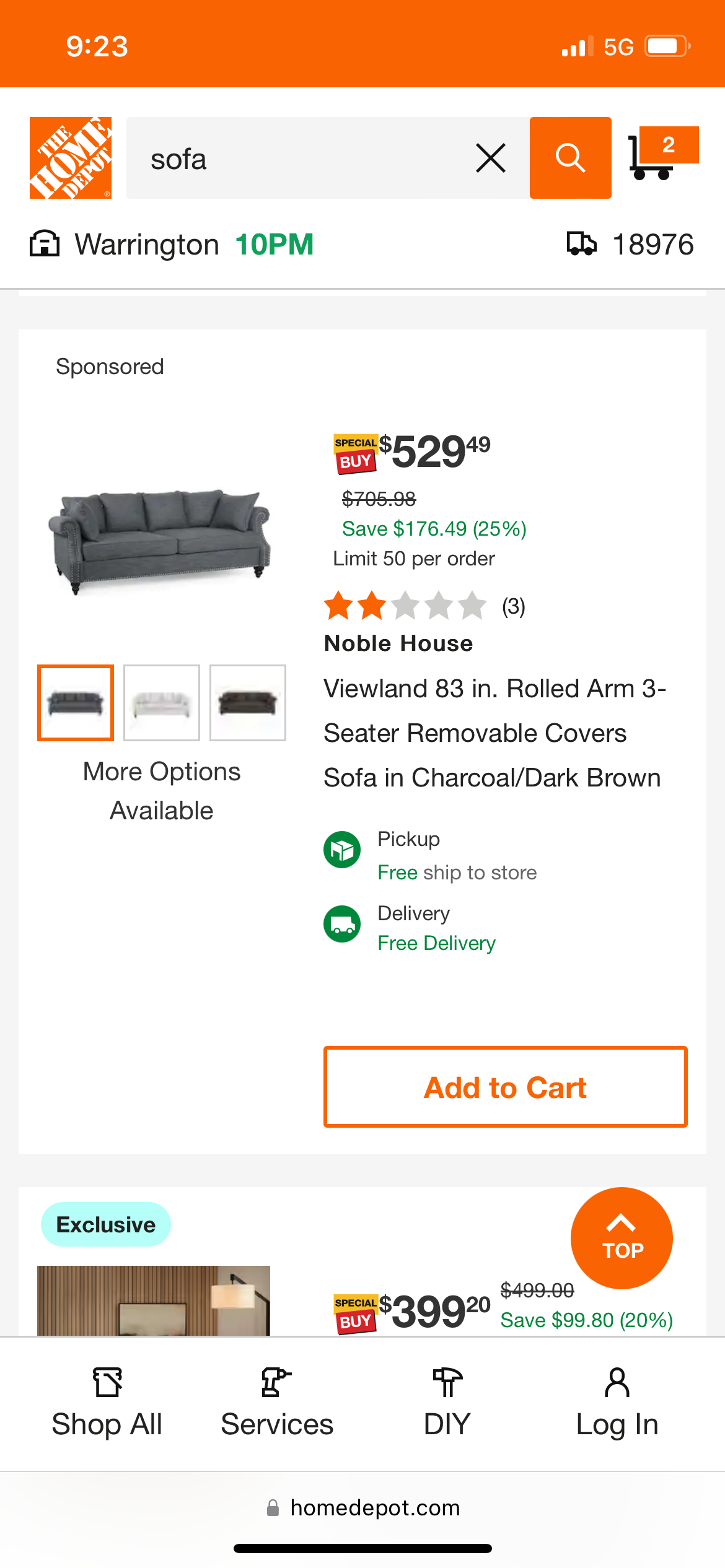
Optimizing the Product Module for Seamless, Consistent Customer Journeys
The Home Depot’s product module, while the most engaged entity on the site, had become overloaded with information and conflicting business goals. The large-scale product module caused significant cognitive load and design inconsistencies, hindering the customer experience. This complexity limited its ability to fully maximize product visibility and user engagement.
Given that customers typically spend only 30-60 seconds scanning a product page, the challenge was clear: simplify the product module to maximize valuable real estate while reducing cognitive load and the number of product module variants. This would ensure customers could make quick decisions and improve site engagement. The goal was to optimize the module to drive both transactional purchases and exploratory shopping journeys, while also improving operational efficiency.
Leading Scalable Experiences with Collaborative Strategy
As Senior UX Designer leading UX Strategy, I simplified the product module to maximize valuable real estate and improve scalability across categories, aiming to reduce cognitive load and increase product impressions.
Key contributions:
Leading the Collaborative Design Sessions & Redesigning Information Architecture
I led the 4-week co-design sessions as the subject matter expert, collaborating with cross-functional teams to identify gaps and refine the product module’s information architecture. Initially, the module had 27 variants. Through these sessions, we streamlined the design into just 2-3 baseline designs, ensuring consistency, improving usability, and aligning with business goals.
As a result of these sessions, we identified essential and extended module designs, creating a scalable strategy that supports different shopping paths. This user-centered approach set the foundation for future growth, ensuring the design could easily adapt to evolving needs.
essential product module
contains the minimum amount of information needed to make a quick decision to purchase.
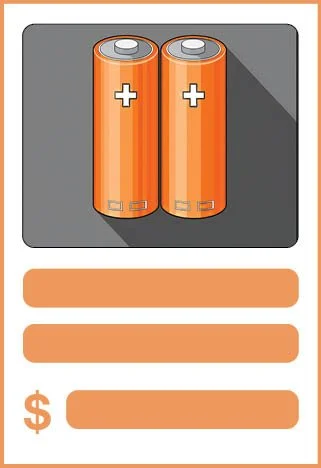
extended product module
contains additional information and specifications for high consideration products that take time to discover.

Maximizing Product Impressions
By focusing on strategically displaying relevant information, we optimized the use of real estate on product landing pages. This change not only improved CTR but also encouraged deeper customer engagement, resulting in a higher volume of product impressions.
Aligning UX Strategy with Business Goals
I collaborated with the larger search team, ensuring the product module aligned with business objectives and supported both transactional and exploratory shopping journeys. As the product module is a critical component leveraged by multiple teams, we worked to ensure it drove measurable results across various touchpoints, contributing to the overall success of the site.Collaboration & Stakeholder Alignment
Throughout the process, I regularly presented updates and solutions to directors and VPs, using a data-driven approach to ensure alignment with business goals and user needs. This ensured we were continuously on track and allowed for ongoing feedback integration to refine the design and maximize its effectiveness.
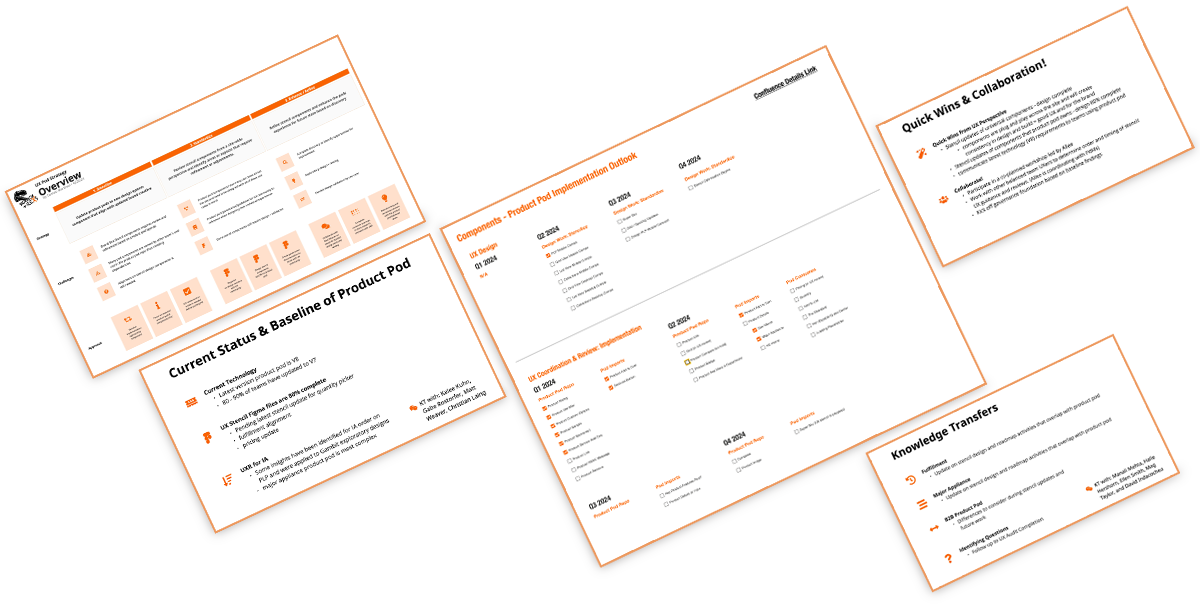
example documents shared to communicate status and strategy progress with leadership
Inspiring Design through Research: Data, Insights & Impact
With a limited timeline for user interviews, I leaned on existing research and A/B testing to guide the design decisions, using a data-driven approach to ensure we were solving the right problems and delivering impactful solutions.
Key insights included:
A/B Testing for Content Optimization:
Through A/B testing, we learned that key product feature information was crucial to the customer decision-making process. Removing it resulted in a $34 million loss in potential revenue. This reinforced the strategic importance of prioritizing clarity and relevance over excessive information and aligning with what truly drives conversions.Known Behaviors from Existing Research:
Leveraging insights from our existing research repository, I ensured the product module aligned with how customers engage with product pages. This strategic insight helped us structure the design to meet customer expectations, creating a faster, more efficient experience that fit within the 30-60 second window most customers spend on a product page.
Designing for Future Growth & Engagement
The redesign aimed to simplify the product module while maximizing impact across the customer journey. I focused on crafting a design that was intuitive, scalable, and aligned with business objectives, with an eye on driving long-term value.
Key elements of the solution:
Simplified & Purposeful Architecture
I streamlined the information flow within the product module to highlight only the most important details for customers, reducing overwhelm and making it easier to make fast, informed choices.Optimized Real Estate for Engagement
By strategically placing product details, I maximized visibility and encouraged engagement. We reduced excess content, aligning the product module with competitors, improving efficiency and helping Home Depot remain competitive.Scalable and Flexible Design
The product module evolved into a self-contained system within the design system, allowing other UX teams to leverage it for various journeys throughout B2C/B2B applications, ensuring adaptability as customer needs and business priorities evolve.Pricing & Fulfillment as Next Steps
While pricing and fulfillment were dependencies and out of scope for this phase, we noted them as important next steps for layout improvements. These areas will be critical for optimizing the customer journey further, and we'll continue to explore how they can be seamlessly integrated into future iterations of the product module.Collaborative Integration
Throughout the process, I partnered with cross-functional teams, ensuring the product module was aligned with broader business goals. Regular touchpoints with engineering and product management helped us ensure the solution was both user-friendly and met the business objectives.
before
without design system updates
after
pricing and fulfillment out of scope
Driving Real Results & Lasting Impact
The redesigned product module led to measurable, positive outcomes that demonstrate the power of strategic design in driving business success. The team is excited to see how the work not only improved the user experience but also made a significant impact on key business metrics:
Revenue Growth
Simplified design and improved user experience led to a projected $150M-$200M increase in annualized revenue, driven by a +2-3% CTR boost and a 3.5%-5% increase in product impressions.
Increased Engagement
Built on existing 40B impressions and 1.3B clicks, the product module remained the most engaged entity on the site, driving higher user engagement, increasing findability, and contributing to a ~9% sales increase from digital platforms.
Operational Efficiency
The transition from 27 variants to 2-3 baseline designs ensured consistency and scalability, ultimately increasing efficiency and cost savings for future updates.
What Worked, What We Learned, and What's Next
Reflecting on Customer Insights:
While time constraints kept us from conducting customer interviews during this phase, I believe these insights would have been invaluable in identifying which information was truly essential to the customer experience. I’m excited to follow up with interviews after go-live, to really understand what customers find most helpful and continue evolving the product module to meet their needs with precision and relevance.The Value of the Co-Design Sessions:
The co-design sessions were a game-changer in identifying potential gaps and amplifying the value of each team member’s expertise. Collaborating with everyone brought fresh perspectives that allowed us to create a user-centric solution that aligned with business goals. It was a wonderful reminder of the power of teamwork in shaping something truly scalable and impactful.Exploring Personalized Filters:
Looking ahead, I’m excited about the possibility of exploring filters that allow customers to self-select the information they need. With the vast Home Depot catalog, this could open the door to a personalized experience that evolves with customer preferences, and we’re also thinking about leveraging AI to further fine-tune those recommendations for each individual shopper.Data-Driven Decision Making:
Data was our secret weapon—whether from A/B testing or the rich insights in our research repository (shout out to the UX research team!). This data-driven approach set us up for success by allowing us to make agile, informed decisions that kept the project on track, meeting tight deadlines while ensuring quality and effectiveness. It reaffirmed the importance of aligning design with actual customer behavior.Communication Across Leadership Levels:
Clear communication was key to keeping everything running smoothly. With multiple leadership levels involved, status updates and presentations helped ensure we were all on the same page. While there were some bumps along the way, the progress charts and Confluence pages kept everyone aligned, and we quickly adapted to keep things moving forward. It's a perfect example of how keeping everyone informed and engaged leads to better outcomes.Continuous Improvement & Scalability:
This redesign is just the start. I’m looking forward to continuously refining and scaling the product module based on ongoing customer feedback and business needs. One important next step is to address the pricing and fulfillment dependencies, which were out of scope for this phase but will be key in future layout improvements. By staying adaptable and listening to customers, we’re setting up Home Depot for long-term success and positioning the product module as a key driver in delivering an exceptional customer experience.