
Achieved 60%-80% Revenue Growth by Personalizing Recommendations Journeys: A Strategic UX Approach Connecting Teams, Users, and Business Goals
Revenue Surge: 80% Growth from Seamless Recommendations
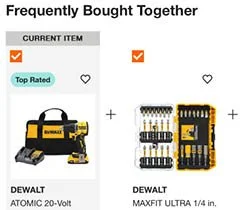
An 80% increase in gross demand from the revamped "Frequently Bought Together" feature, boosting conversion rates and revenue.
Personalized Journeys: 12% Sales Growth Through Tailored Paths
Aligned recommendations with transactional and discovery journeys, driving engagement, conversion, and CLV. We expect a 12% sales growth as the system matures.
Next-Level UX: A Scalable Framework for Long-Term Success
We built a repeatable, scalable recommendation model that aligns with evolving goals and user needs, driving long-term impact.
Identifying the Core Problem: Trust and Relevance in Recommendations
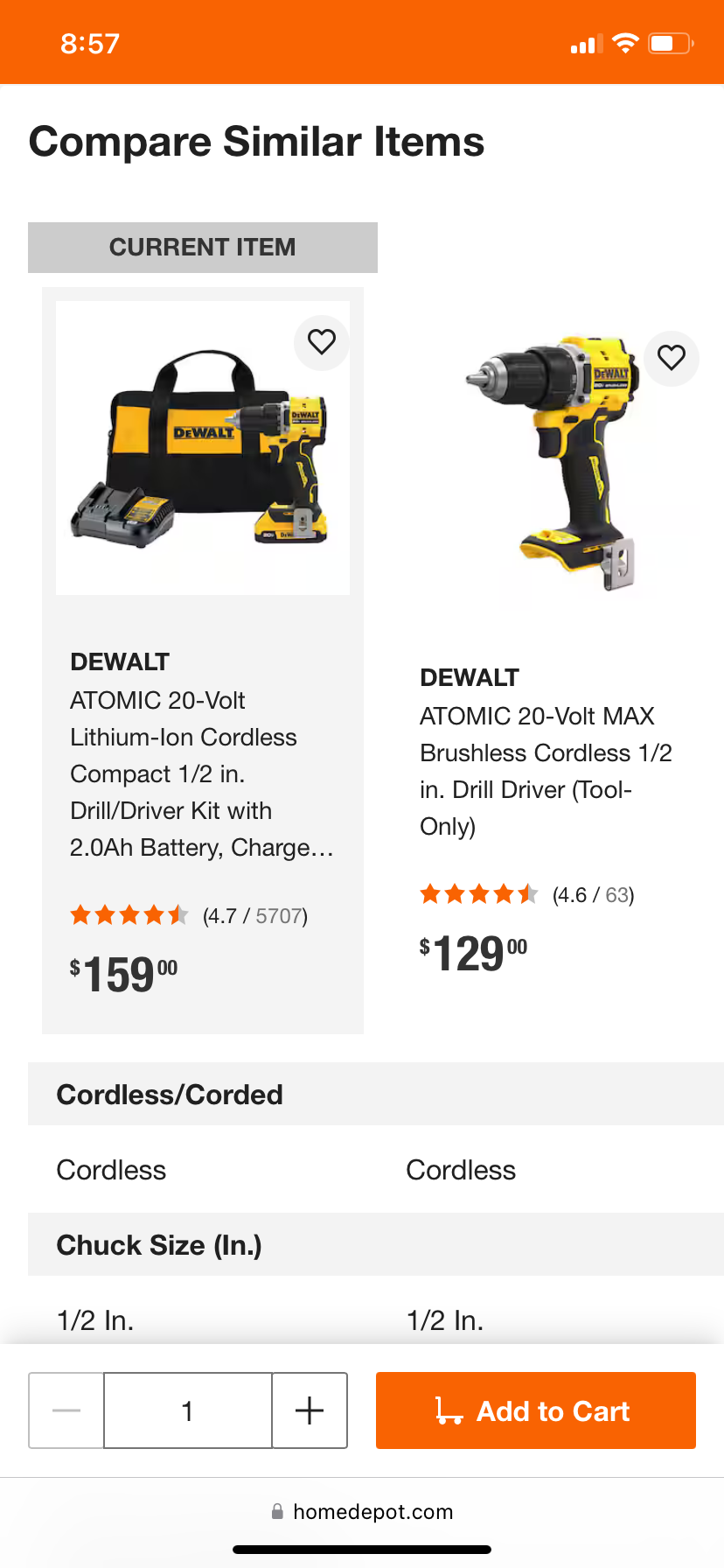
Picture this: you're shopping online for a new grill, eager to complete the perfect backyard setup. You’ve found the product for you, but now you’re looking for the complementary items that will make your purchase truly shine—maybe a propane tank, grilling tools, or even the perfect patio seating to complement your new grill. But instead of being guided with thoughtful suggestions, you’re shown a random array of products—unrelated, repetitive, and a waste of time. The experience doesn’t just fall short—it creates a sense of confusion, frustration, and disengagement, making it harder to see the value in the suggested products.
This is what many users of Home Depot’s online shopping experience were facing. The recommendations system was a mix of machine learning, algorithmic logic, and manually curated selections, but it lacked clarity and context. This disjointed approach led to frustrated customers and missed opportunities for the business. Recommendations weren’t just irrelevant—they were disruptive. As a result, there was decline in product authority—customers stopped trusting the brand to provide valuable recommendations.
From a customer perspective, there was also a growing sense of distrust. Users felt the recommendations were random, not tailored to their needs, leading to frustration and a loss of confidence in the shopping experience. And so, I set out to reframe the problem: how can we deliver a recommendations system that doesn’t just present random items, but truly enhances the user journey, builds trust, and drives conversion?
A Vision for the Future: Leading UX Strategy to Align Business Goals & User Needs
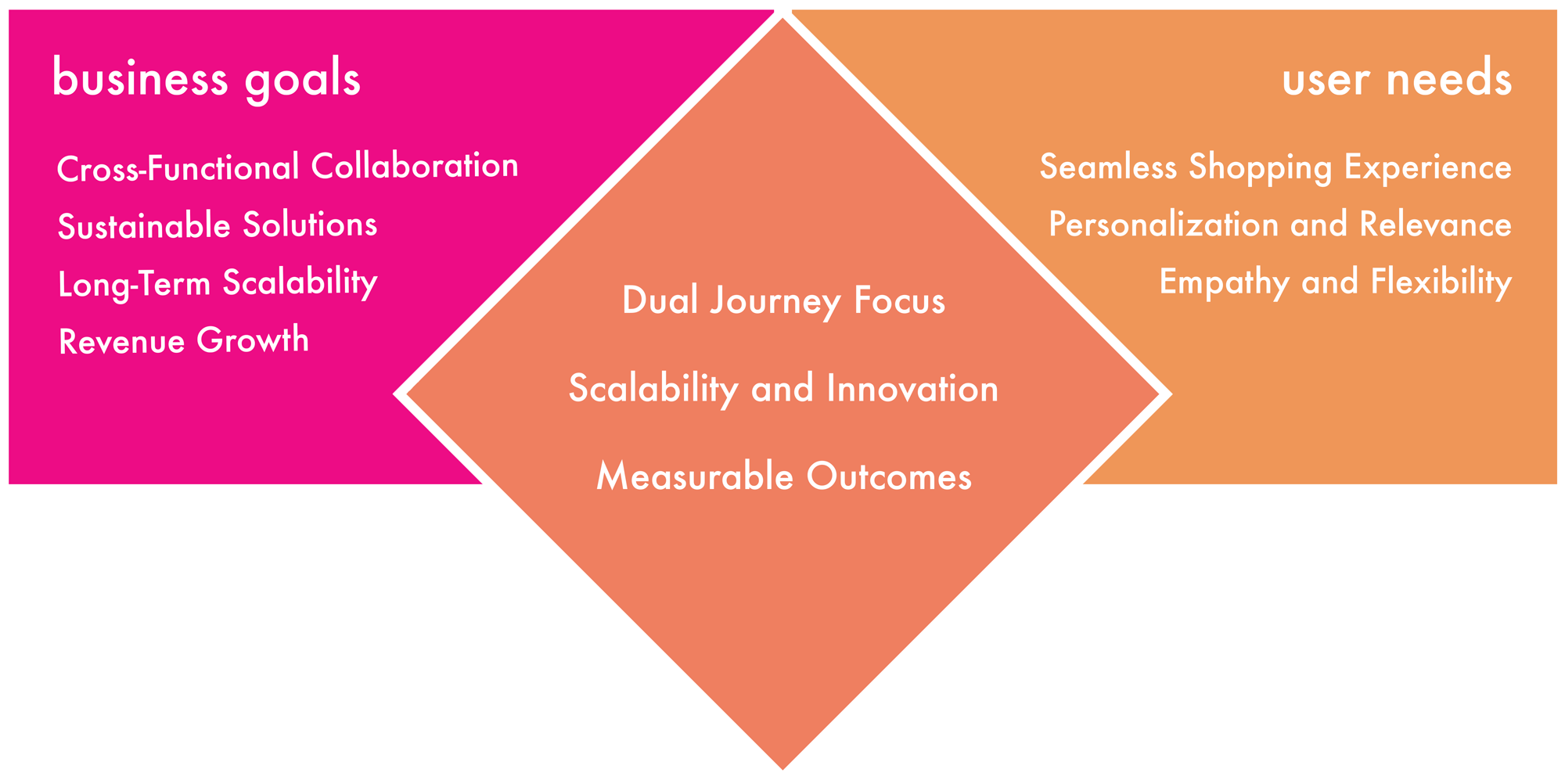
As the Senior UX Designer leading UX Strategy, I focused on more than just feature tweaks—I aimed to craft a cohesive ecosystem where business goals, user needs, and research insights seamlessly aligned. By embracing systems thinking, I saw the recommendation engine not as a standalone component but as part of a larger, interconnected experience that supported both transactional and discovery shopping journeys.
Strategic Visioning: I created a user-centered framework that addressed immediate pain points while also fostering innovation for long-term scalability. My focus was on both short-term wins and sustainable solutions.
Dual Journey Focus: Recognizing the need for distinct shopping paths, I ensured that the recommendation system supported both fast, decision-making purchases and more exploratory, inspiration-driven experiences—maximizing value for all users.
Future-Focused Thinking: I anticipated the evolving needs of both the business and the users, designing a system that not only solved current issues but also laid the foundation for future growth and flexibility.
Cross-Functional Leadership: By facilitating collaboration across teams, I ensured that each component of the recommendations system worked in harmony, driving seamless experiences that maximized business impact.
Measurable Outcomes: My ideation and leadership were integral in achieving key performance metrics, including a significant revenue boost and improved user engagement, reflecting the tangible value of the strategic vision.
Empathy and Data: Understanding Users to Inform Effective Recommendations
Understanding Customer Needs
Through user research, we uncovered that customers expected product recommendations to feel personalized and relevant, not random or generic. This insight was pivotal—users wanted clarity around why certain products were suggested. They needed trust and transparency to feel confident in the recommendations.
Prototype Testing & User Research: To address these needs, we conducted prototype testing, experimenting with contextual wording and placement of product recommendations on the product information page. By leveraging insights from our existing user research library, we discovered significant trust gaps in the recommendations system. Users expressed a need for clearer communication about the rationale behind product suggestions. This led to a solution focused on building transparency and enhancing user engagement, ensuring that recommendations felt more intuitive and aligned with user expectations.
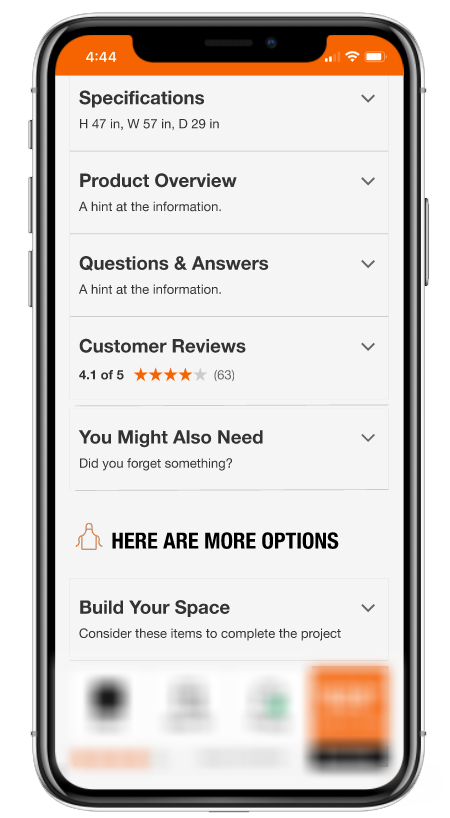
Prototype 1:
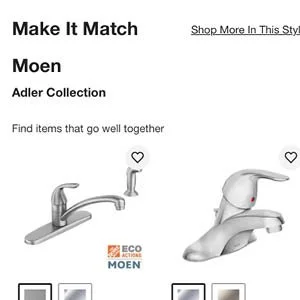
Recommendations experimentation of placement and context. Build Your Space focused on project shopping.
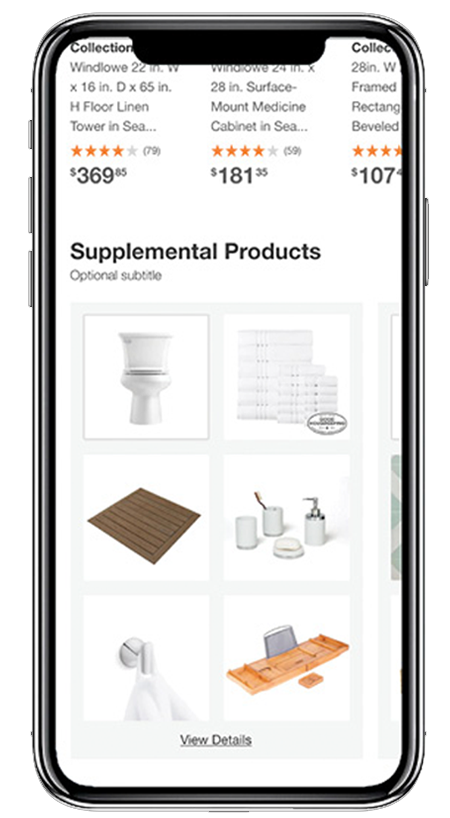
Prototype 2:
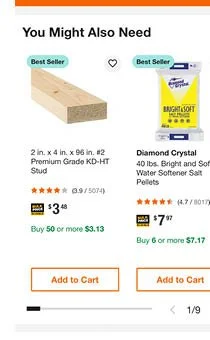
Recommendations experimentation of placement and context. Supplemental Products focused on project shopping.
Empathy Maps: Building on the findings from prototype testing, I created empathy maps to visualize user behavior and attitudes. These maps helped the team better understand the customer journey and ensured that the recommendations aligned with users’ needs at every stage of their shopping experience. The insights from empathy mapping were crucial in refining our Transactional and Discovery shopping path strategies, ensuring the system resonated with users and built trust.
says
“right product for me”
“this is not everything I need”
“this title is over confident”
“this is misleading”
does
makes a decision
learns what is essential
tells site what they want
discovers and interacts
feels
overwhelmed by choices
wants to feel assisted
want it to be useful
being in control of choices
thinks
one stop shop
unique specifications
confusing suggestion
algorithm based
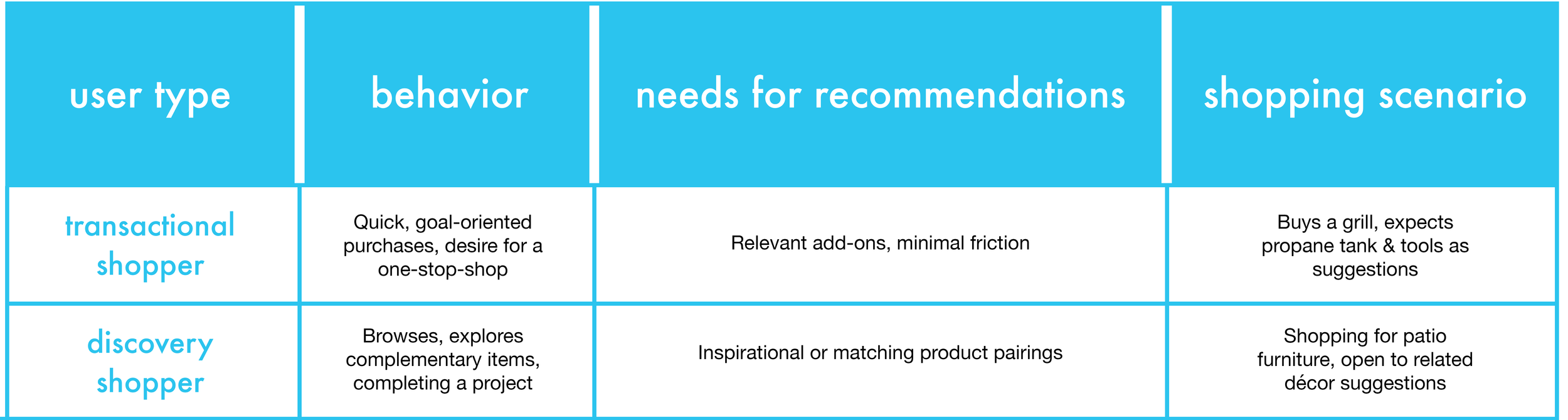
A Dual Approach: Crafting Strategies for Transactional and Discovery Journeys
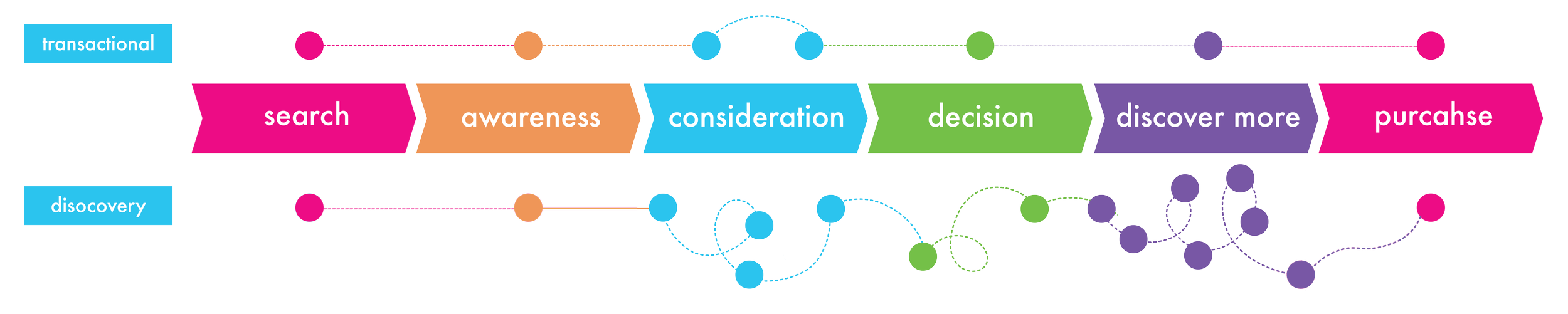
I created a tiered recommendation strategy that aligned with different shopping behaviors, allowing for contextual relevance messaging and product placements that felt helpful, not forced.
Transactional Path: Designed for customers seeking immediate solutions to complete their purchase. This approach focused on cross-selling by suggesting complementary products that required minimal research—items that felt like a natural, low-effort addition to the cart at a reasonable price.
Discovery Path: Geared toward customers exploring specifications and seeking inspiration. This approach highlighted enhancement opportunities, showcasing complementary products that elevated the overall shopping experience. These recommendations often involved a larger investment, requiring customers to factor in their budget before making a decision.
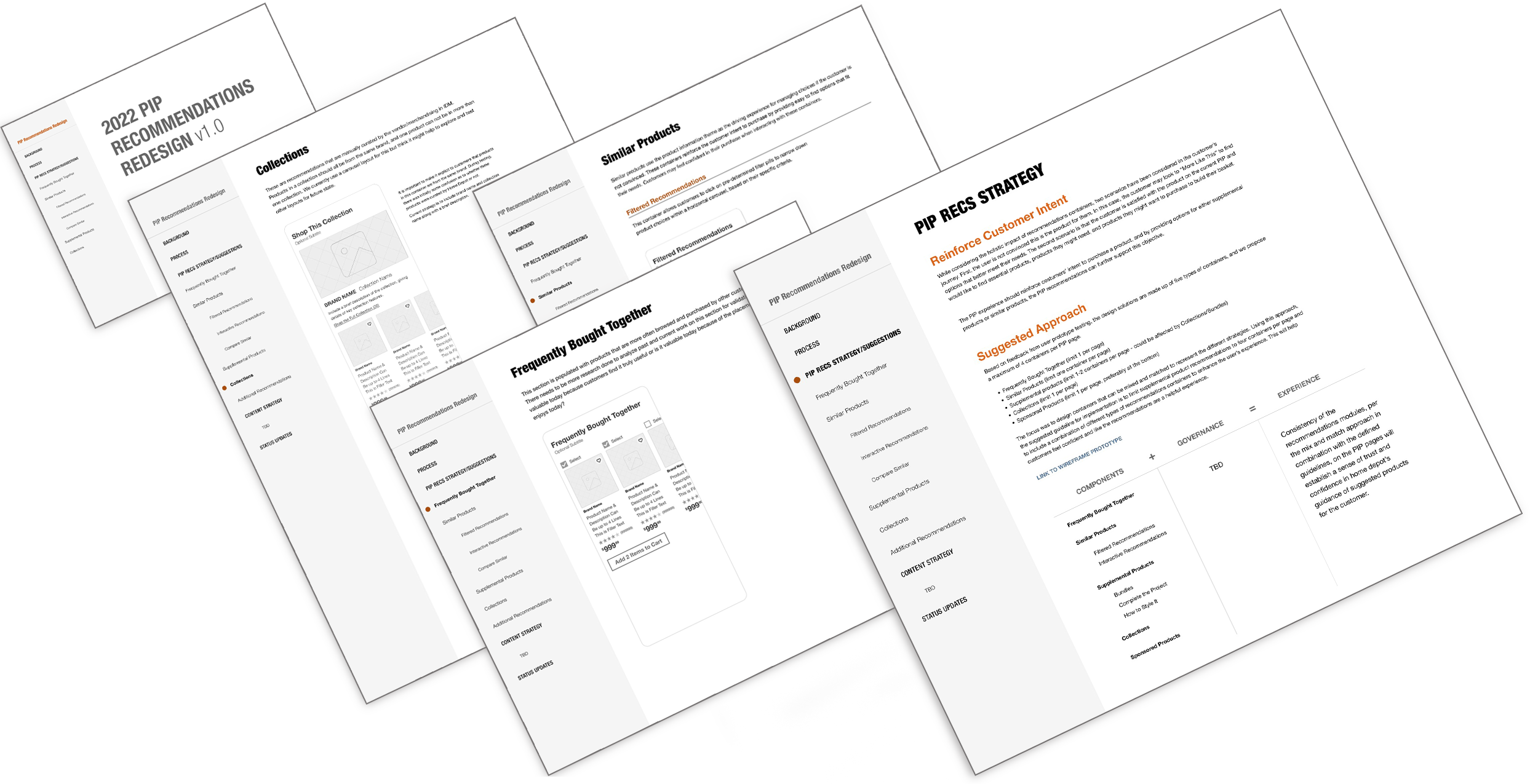
strategy documentation: customer journey insights in addition the recommendations matrix guidance
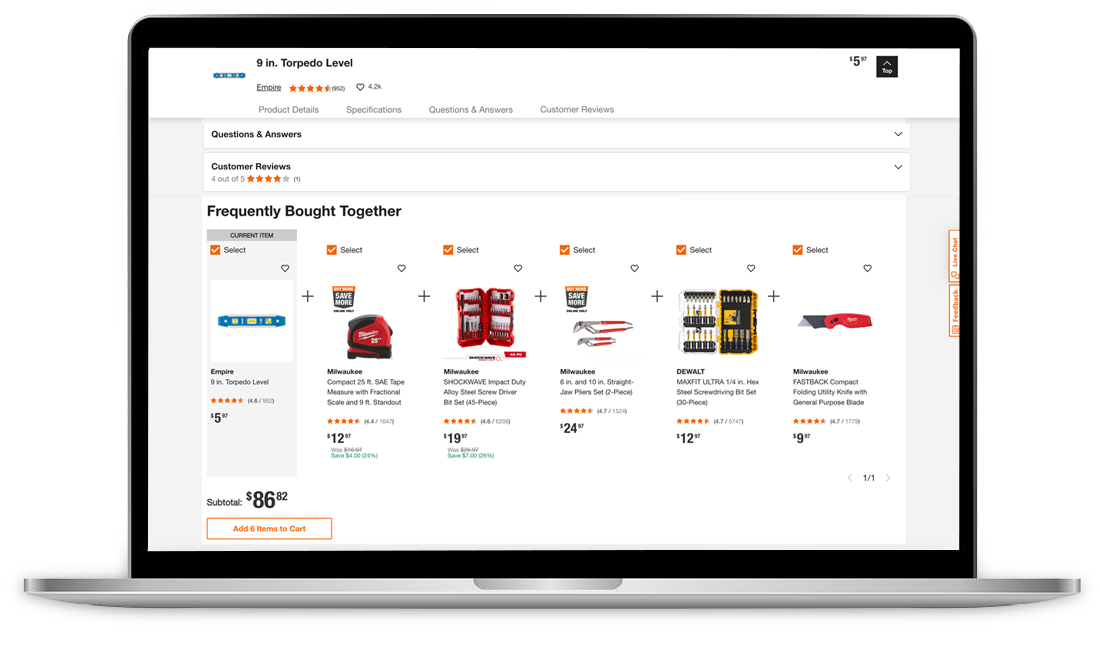
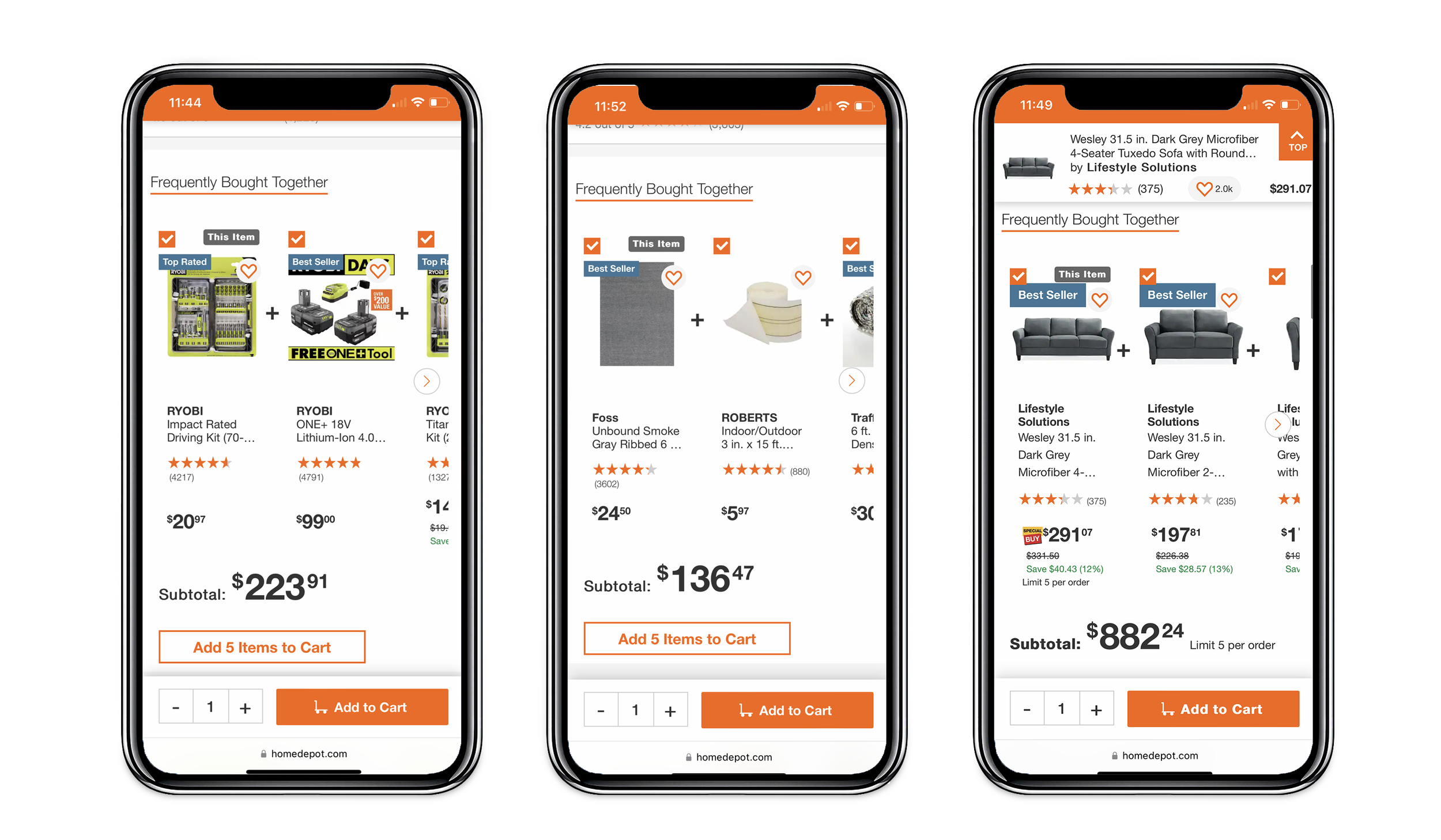
Reimagining 'Frequently Bought Together': A Grid View for Scannable, High-Converting Results
Through prototype testing, I identified an opportunity to improve usability by shifting to a grid-view layout, which provided better visual grouping and scannability. While this seemed like a clear UX win, stakeholder hesitation posed a challenge—prior A/B testing results had been flat, making teams reluctant to invest in further changes.
Yet, I was confident in the data. Research had already pointed to usability friction, and our findings suggested that improving the presentation of Frequently Bought Together would enhance ease of use and drive engagement. The risk was worth taking.
Delivering Results: UX Strategy That Drives Measurable Business Impact
By leveraging UX strategy to challenge initial stakeholder skepticism, I helped unlock new revenue potential from an existing feature—demonstrating the power of UX in driving business impact.
Strategic Placement: I optimized the placement of recommendations at critical decision-making moments—like product pages and cart views—where users were most likely to add complementary items.
Improved Usability with Grid View: The new design made it easier for users to process recommendations, improving visual hierarchy and scannability.
High Revenue Impact: When we reviewed metrics post-launch, the change led to an 80% increase in revenue growth, and the feature continued to drive increased profits throughout the quarter.
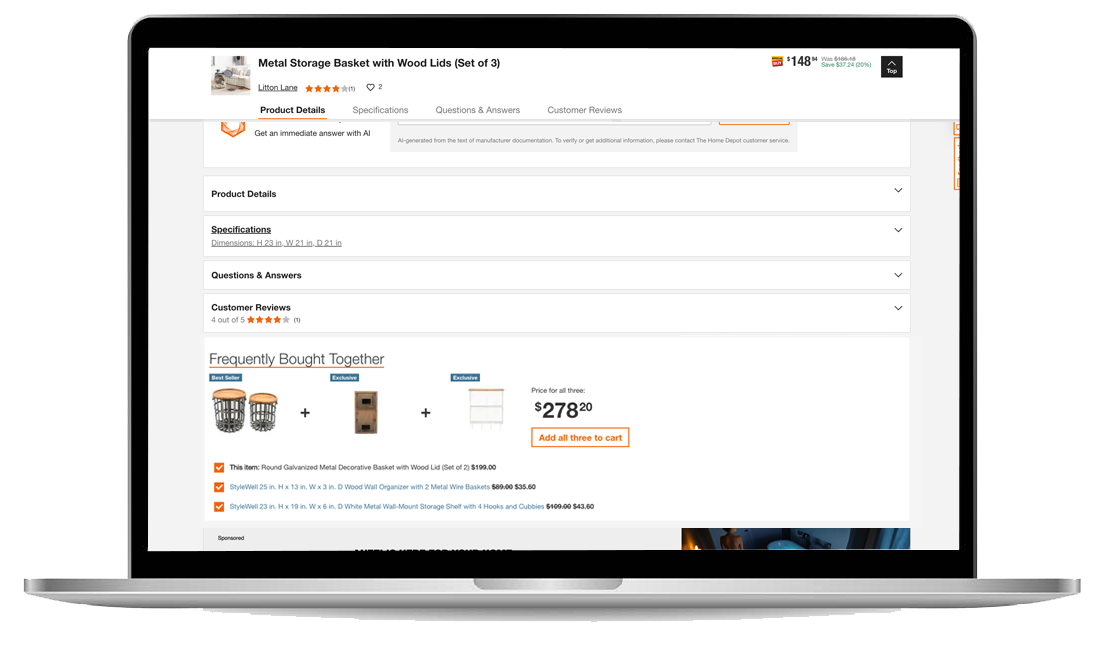
before
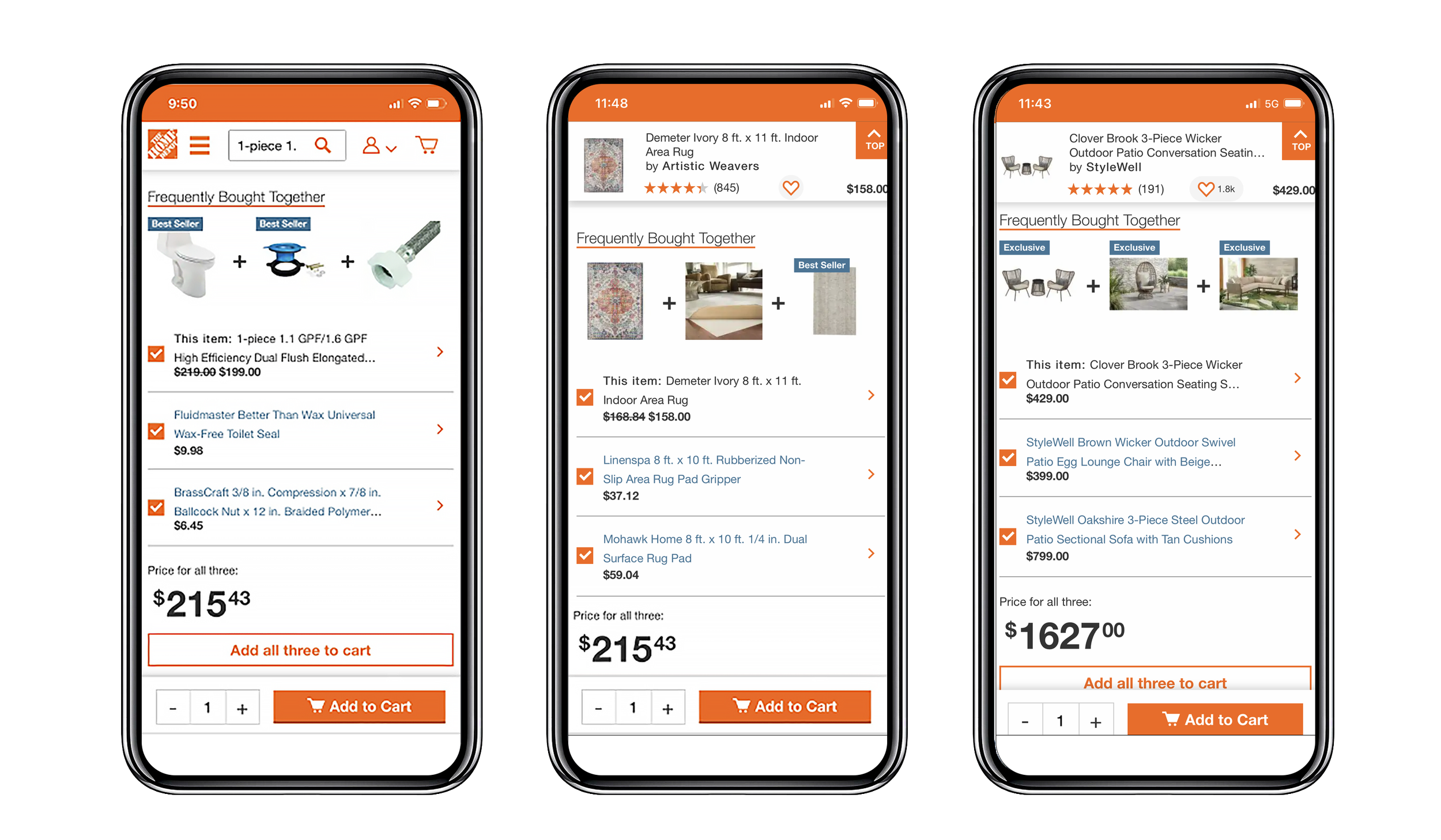
after
From Concept to Conversion: Quantifying Success Through Metrics
Performance highlight
The Frequently Bought Together feature drove an 80% increase in revenue growth and boosted engagement. Personalized recommendations are expected to yield a 12% sales boost and enhance Customer Lifetime Value (CLV).
Process Impact
The framework became a repeatable model for future recommendation placements, streamlining decision-making.
Stakeholder adoption
The framework gained traction and was incorporated into broader UX research strategies and initiatives, like Collections.
Business outcome
The cross-functional team was nominated for a Best in Technology (BiT) internal Home Depot award for Creating Shareholder Value, recognizing the strategic impact of the initiative.
Qualitative Impact
The discovery work fostered stronger collaboration and trust between UX, product, and engineering teams, reinforcing a research-driven approach to recommendation strategies.
What Shaped Our Success and What’s Next
Collaboration is Key: Strong collaboration and communication foster better decision-making and ensure everyone is aligned on the direction, goals, and expected outcomes. Working closely with cross-functional teams allows for more innovative, user-centric solutions.
Empathy-Driven Design: Building empathy maps and leveraging insights from user research and prototype testing empowers the design process. It ensures that product solutions resonate with users, helping shape meaningful experiences.
Benchmark Knowledge for Informed Improvement: Understanding benchmarks during the research phase is essential. It allows the team to identify what improvement looks like, guiding the process of defining success and aligning design decisions with tangible outcomes.
Transparency = Trust: Customers engage more when they understand the “why” behind recommendations. Building transparency fosters trust, and future iterations will focus on further personalizing this messaging to create deeper connections.
Insights for Future Strategy: Insights around Transactional vs. Discovery shopping paths were leveraged for strategic alignment in the recommendations discovery case study, where these pathways played a key role in shaping product designs and improving the overall shopping experience.
Transforming Big Ideas: "Big ideas often spark resistance due to the risks and changes they bring—so it’s essential to win others over with a compelling vision, clear rationale, and the confidence to inspire action." This is particularly true in UX strategy, where bold, innovative ideas require not just buy-in but enthusiasm from all stakeholders.
Focus on Measurable Impact: Establishing clear KPIs and tracking customer engagement allows teams to measure the effectiveness of strategies and continuously refine them for optimal impact.